

I've traveled to a lot of countries, and China is still the one I can't get to the bottom of. No other country I know gives you this much range and this much depth in one place. It has a very long history, so whether you're after ancient buildings, culture, big cities or nature, it's all here. Some of the mountain scenery, in my view, is as good as anything in Switzerland.
That size is also the problem. If it's your first trip, it's hard to know where to start. So I've split this guide by what you're coming for: cities, ancient architecture and culture, food, and nature. For each one I tell you where I'd go first. Then I show you which places fit together into one trip.
My picks are personal. Some of them are not the places everyone goes. A few famous spots I found crowded and just okay, and I'll tell you which ones. But every place I recommend here is one I'd give full marks.
One idea runs through this whole guide: I think China's most beautiful scenery isn't inside the ticketed scenic areas. It's on the road between them. That's the reason I started this site. I'll explain what I mean below, and I'll mark each destination so you can decide for yourself.
Short on time? Start with the two tables below.
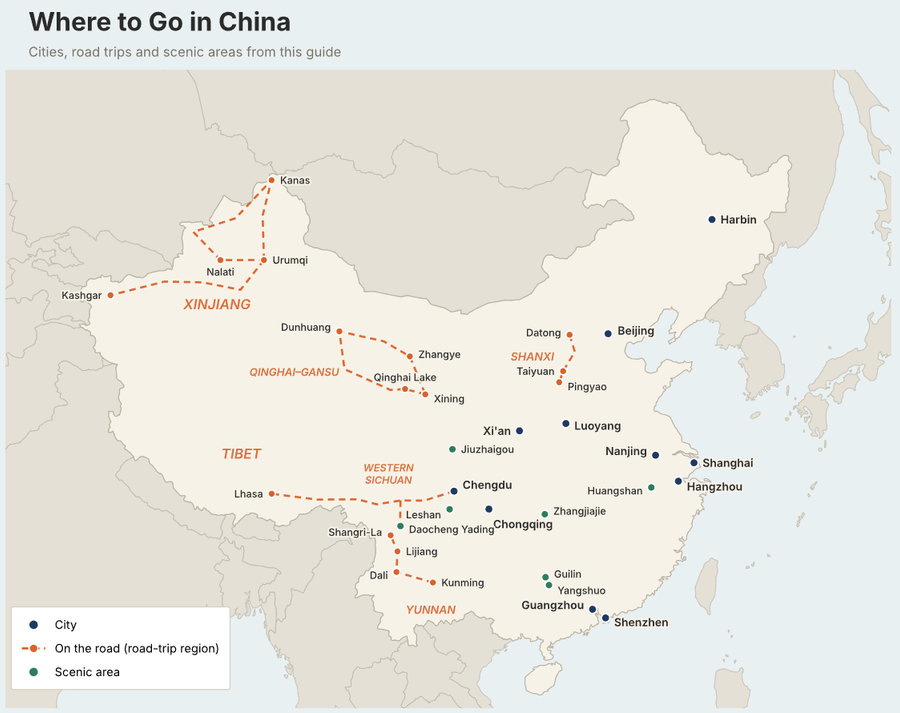
Quick Answer: Where Should You Go?
Pick the row that sounds most like you. "Scenic area" means a ticketed park with shuttle buses and cable cars. "On the road" means the best parts are between places, so you'll want a car, a driver or a small tour.
By what you want
| If you want... | Go here | Days | Best time | Type |
|---|---|---|---|---|
| An easy first taste of China | Beijing + Xi'an, or Shanghai + Suzhou + Hangzhou | 5–7 | Apr–May, Sep–Oct | City |
| Modern, futuristic China | Shanghai, Chongqing | 2–3 each | Spring, autumn | City |
| Classic history | Beijing + Xi'an (+ Luoyang) | 5–7 | Apr–May, Sep–Oct | City |
| The best ancient architecture in China | Shanxi (Datong, Pingyao, Taiyuan) | 4–5 | Apr–May, Sep–Oct | On the road |
| Spicy food and pandas | Chengdu + Chongqing | 4–6 | Mar–May, Sep–Nov | City |
| Great food, not spicy | Guangzhou + Shunde | 3–4 | Oct–Apr | City |
| The most spectacular scenery | Western Sichuan + Tibet | 10+ | May–Jun, Sep–Oct | On the road |
| Big scenery without high altitude | Xinjiang | 8–12 | May–Oct (depends on area) | On the road |
| Snow mountains and local culture | Yunnan | 6–8 | All year | Both |
| Desert, lakes and Silk Road caves | Qinghai–Gansu loop | 6–8 | Jun–Sep | On the road |
| Snow peaks and alpine lakes | Daocheng Yading | 3–5 | Sep–Oct | Both |
| Famous landscapes, easy to visit | Zhangjiajie, Guilin, Huangshan, Jiuzhaigou | 2–4 each | Apr–Oct | Scenic area |
| Ice and snow | Harbin | 4–6 | Dec–Feb | City |
| Time | What I'd do |
|---|---|
| 1 week | Beijing + Xi'an, or Shanghai + Suzhou + Hangzhou, or Chengdu + Chongqing |
| 2 weeks | One of the above, plus Zhangjiajie, Guilin or Shanxi |
| 3 weeks | Add Yunnan, Western Sichuan or the Qinghai–Gansu loop |
| 4 weeks or more | Add Tibet or Xinjiang, and save them for the end of the trip |
Scenic Areas vs. the Road: How I Travel in China
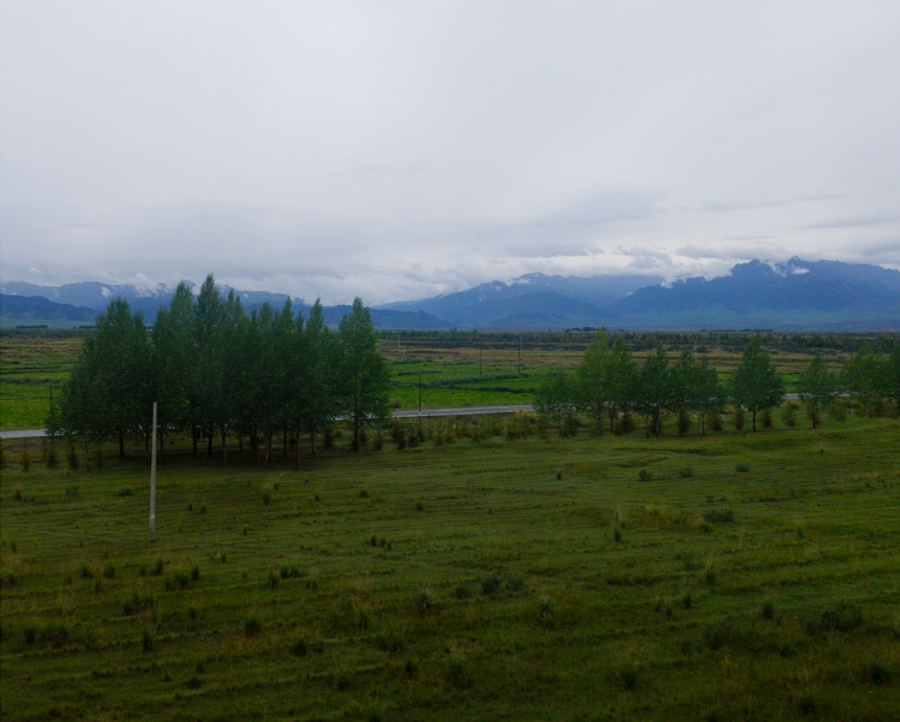
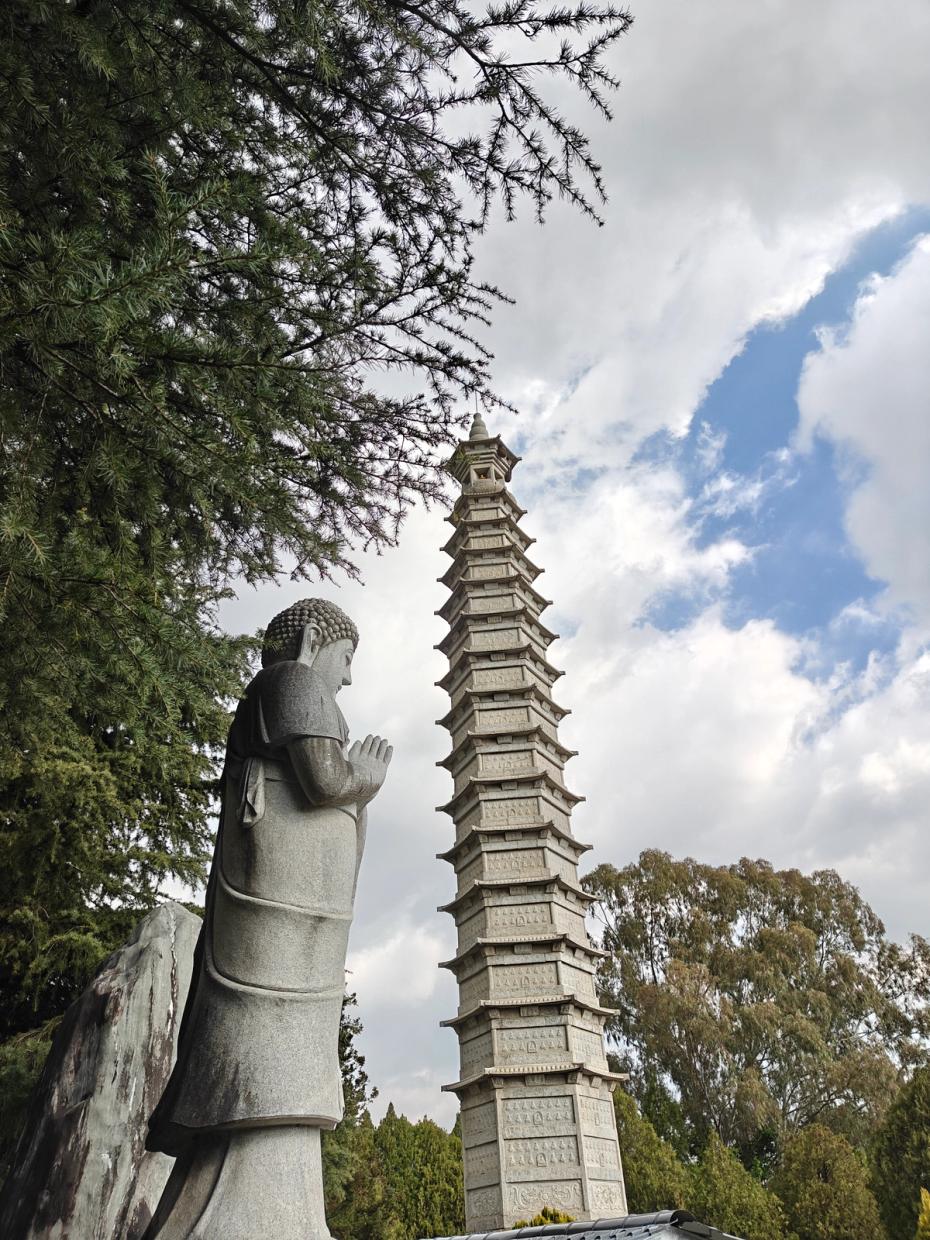
The best views I've had in China were almost never inside a scenic area. They were on the drive: a mountain pass in western Sichuan, the Xinjiang grasslands in early May, a small temple by the side of the road in Yunnan. That's why I started this site.
I don't love scenic areas myself. In China, a famous park usually means a lot of people, long lines on holidays, and extra tickets on top of the entrance fee for shuttle buses, cable cars and elevators. Those add up fast.
But that doesn't make them bad, and I still recommend many of them. A scenic area does the work for you. Transport, paths, signs, food and hotels are all set up. If it's your first time in China and you don't want to plan every step, that's worth a lot. Places like Zhangjiajie and Jiuzhaigou are famous for a reason.
So it comes down to what you want. If you want easy, pick the scenic areas. If you want the wild version and don't mind more planning, go for the road. Many trips mix both. In this guide I mark each place so you can choose.
1. Modern Cities: Beijing, Shanghai, Guangzhou, Shenzhen, Chongqing
Almost everyone knows these names. For a long time, Beijing and Shanghai were where most foreign visitors started. They're international, easy to get around, and they cover most of what a traveler needs.
If you only want a light taste of China and don't have much time, pick one of them. If you're coming for a week or more, they make a good first stop. But they are far from all of China. Maybe not even a tenth of it. Don't get me wrong, they're great cities. There's just a lot more out there.
The downside is nature. In the big cities you get almost none, and certainly not the kind that stops you in your tracks. My advice: spend a few days exploring the city first, then fly somewhere else.
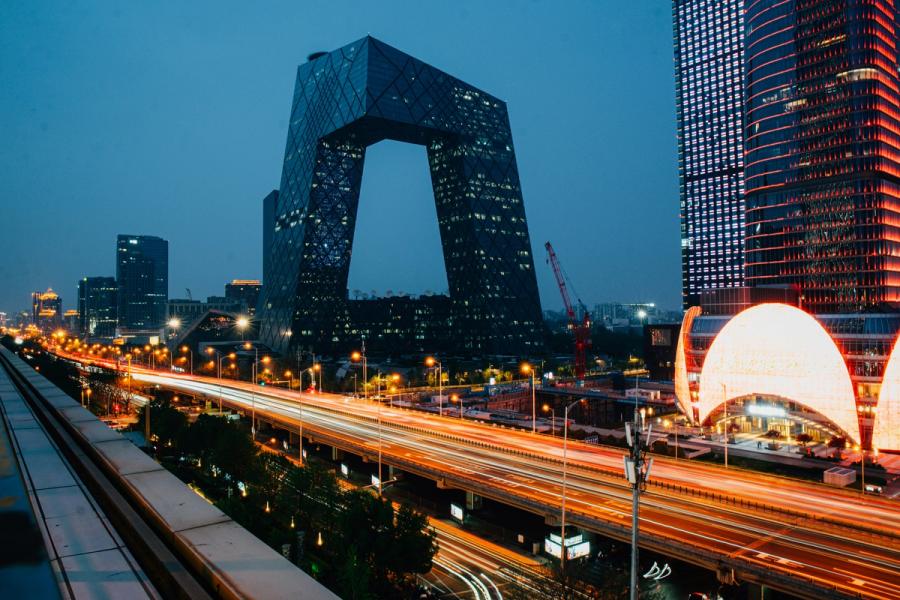
Beijing
Beijing is imperial China: the Forbidden City, the Temple of Heaven, the Summer Palace, and the old hutong lanes where people still live. It's also the easiest base for the Great Wall. Badaling is the easiest section to reach and the most crowded. Mutianyu is quieter and still an easy day trip.
Best time: Apr–May, Sep–Oct · Days: 3–4 · Type: City · Tip: Forbidden City tickets sell out. Book as soon as they're released.
Shanghai
Shanghai is the most international city in China. Walk the Bund, get lost in the old French Concession, and see the Pudong skyline at night. It's also the gateway to the Jiangnan region: Suzhou and Hangzhou are both about an hour or less by high-speed train.
Best time: Apr–May, Sep–Nov · Days: 2–3 · Type: City
Guangzhou and Shenzhen
I'd go to Guangzhou mainly for the food, so you'll find it in the food section. Shenzhen is China's youngest big city, built almost from nothing in a few decades. It's a good look at tech-driven China, and it sits right on the Hong Kong border.
Days: 1–2 each · Type: City
Chongqing
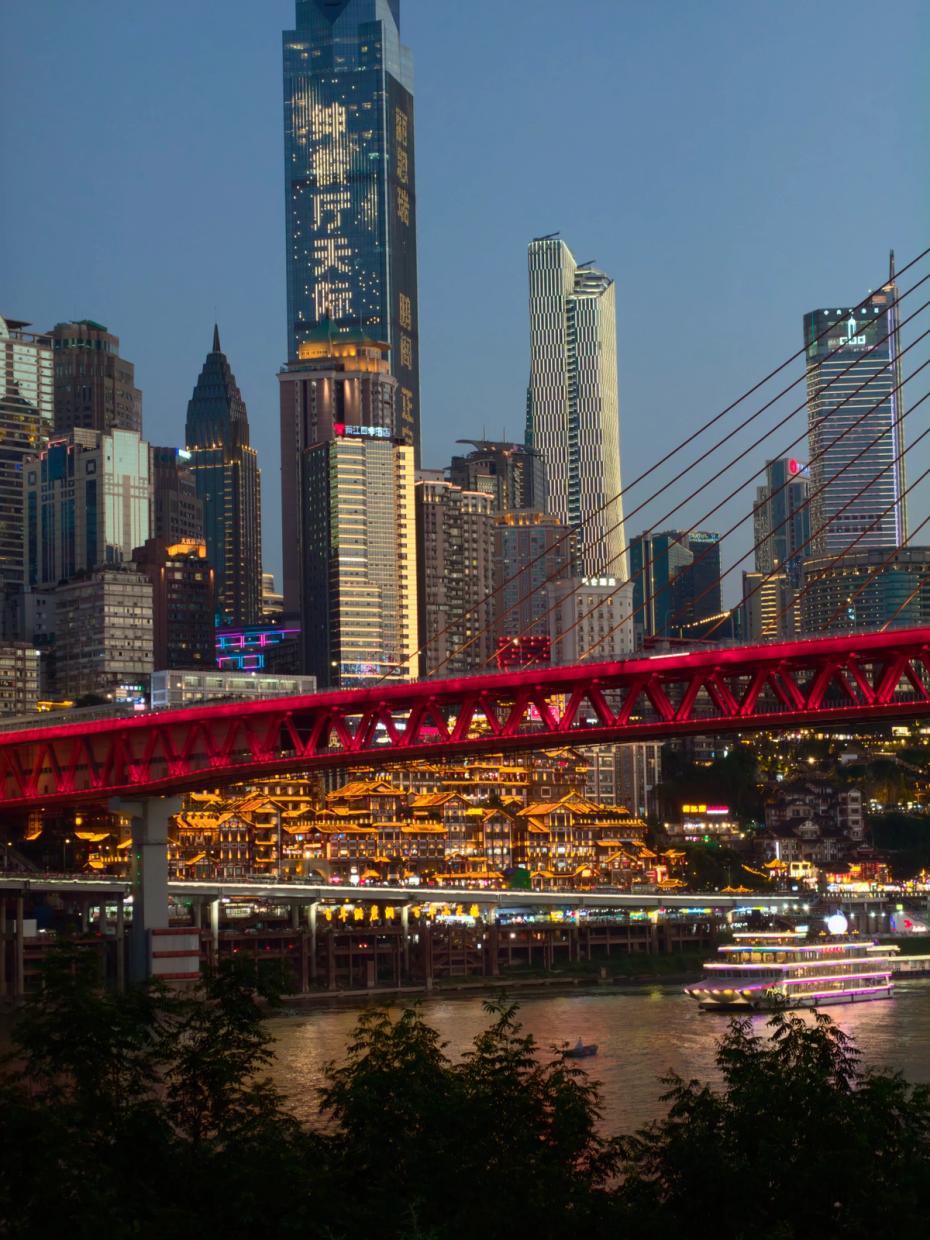
Chongqing has become very popular in the last few years, and I get why. It's a city built on steep hills, with roads stacked on roads and a metro line that runs straight through an apartment building at Liziba station. At night, Hongyadong and the river views look like a cyberpunk movie.
Locals will tell you to visit Wulong for its natural bridges, sinkholes and Fairy Mountain. I found it just okay. But it only takes a day, so go if you have the time.
Best time: Mar–May, Sep–Nov · Days: 2–3 · Type: City
2. Ancient Architecture and Culture
Xi'an is the classic choice for history, and it's a good one. But if you want the very best of ancient China, go to Shanxi.
Xi'an and the Terracotta Warriors: The Classic Choice
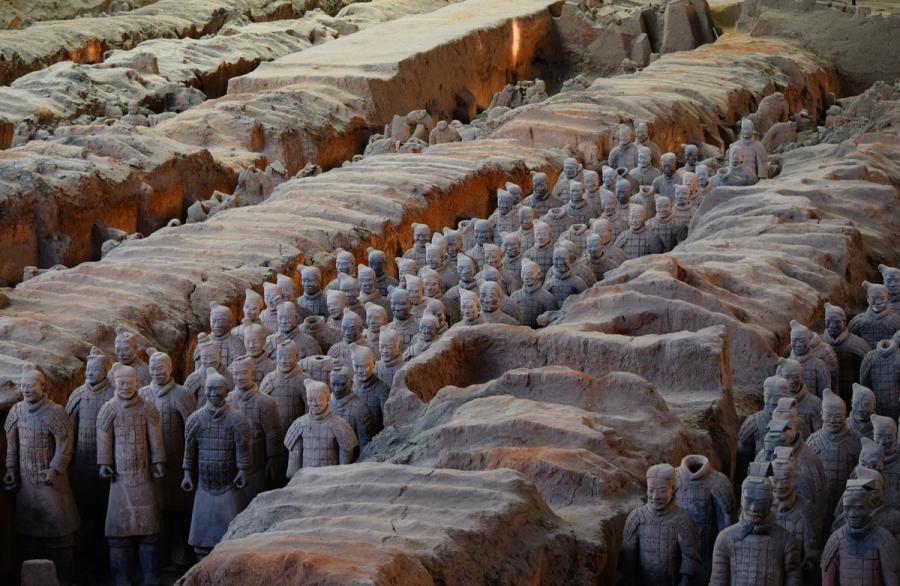
Xi'an was the capital of China for many dynasties and the starting point of the Silk Road. The Terracotta Warriors are the big reason people come, and they're worth it. Add the old city wall, which you can walk or cycle on top of, and the food in the Muslim Quarter. It's about 4.5 hours from Beijing by high-speed train, so the two pair well on a first trip.
Best time: Apr–May, Sep–Oct · Days: 2–3 · Type: City · Tip: Book Terracotta Warriors tickets online in advance.
Shanxi: If You Want the Ultimate
First, a note on spelling. Shanxi is not Shaanxi. Xi'an is in Shaanxi. Shanxi is its neighbor to the northeast. The names look almost the same in English, so check twice when you book.
Shanxi is the province I recommend most, and Chinese media and travelers widely agree it's the best place in the country for ancient architecture. In a way, old buildings elsewhere can't be compared with what's here. It's on another level.
Most of China's surviving wooden buildings from before the Yuan dynasty are hidden in country temples across Shanxi. All three complete Tang-dynasty wooden buildings left in China are here: Nanchan Temple, Foguang Temple and Guangren Wang Temple. The province has more than 28,000 recorded ancient buildings, and a huge number of statues, temples and protected national relics. For anyone who loves ancient culture, Chinese or not, it's a living museum of ancient China.
What you'll see
- Wooden temples, pagodas and passes. Foguang Temple's main hall dates to the Tang dynasty. The Yingxian Wooden Pagoda is almost 1,000 years old and built entirely of wood. The Hanging Temple clings to a cliff face.
- Painted sculptures. Temples here are full of painted clay statues, many of them centuries old. Shuanglin Temple near Pingyao and Jinci Temple in Taiyuan are good places to start.
- Murals. Shanxi has more than 50,000 square meters of temple murals, the most of any province. Yongle Palace is the famous one.
- Grottoes. There are 283 cave temple sites, covering everything from the Northern Wei to the Ming and Qing. Yungang Grottoes near Datong is the highlight.
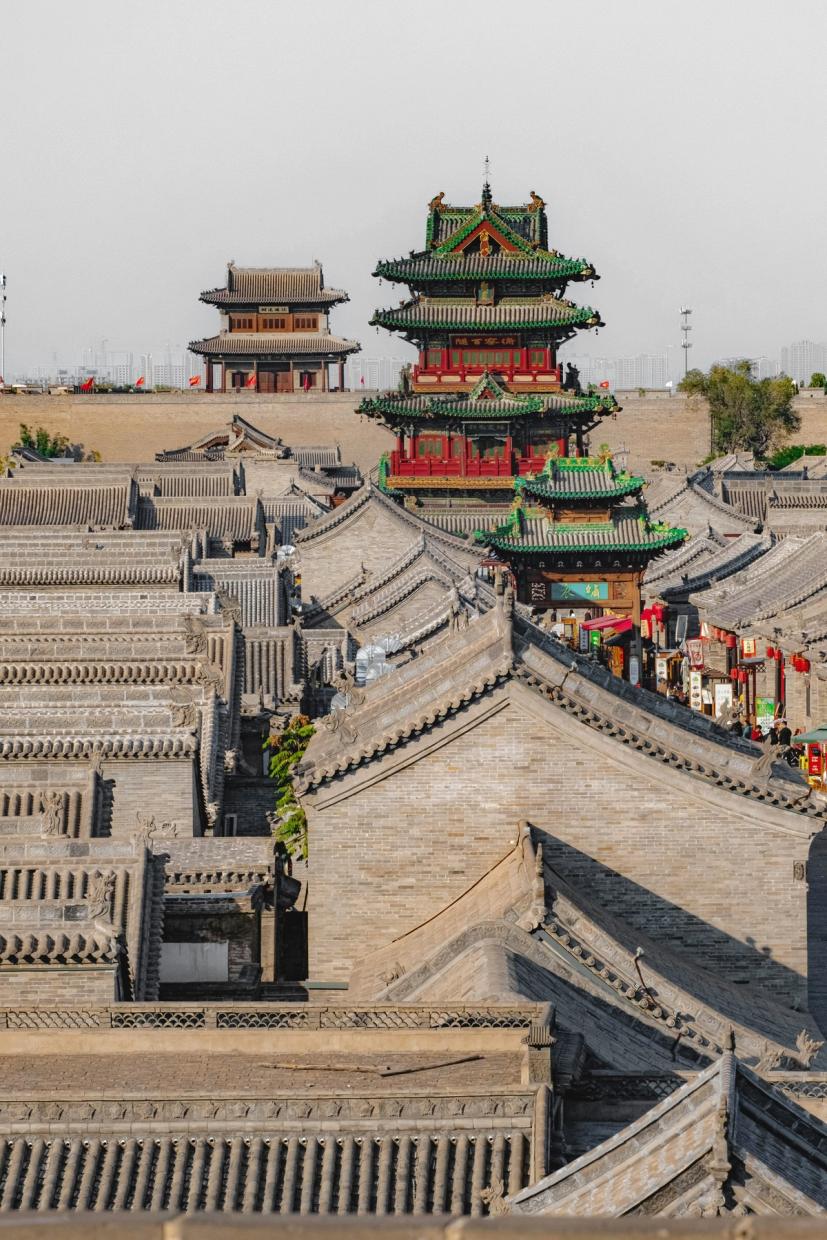
- Old towns, family compounds and forts. Pingyao is one of the best-preserved walled towns in China. Nearby are the big merchant family courtyards and old fortified villages.
- Ruins, tombs and more. Plenty of smaller sites that most travelers never hear about.
The Black Myth: Wukong effect. In the last two years Shanxi has blown up, because the video game Black Myth: Wukong used real Shanxi temples as locations. Places like Little Western Heaven in Xi County now get fans from all over the world.
Is Shanxi right for you? Go if you have a real interest in old buildings and Buddhist art. The sites are spread across the whole province, so you'll need to drive, hire a car and driver, or join a tour that focuses on temples. You can also go by train, it just takes more time. This isn't a relaxing holiday. It's more like a pilgrimage.
Best time: Apr–May, Sep–Oct · Days: 4–5 · Type: On the road
| Xi'an | Shanxi | |
|---|---|---|
| What you'll see | Terracotta Warriors, city wall, Tang pagodas | Wooden temples, statues, murals, grottoes, old towns |
| Getting around | Easy, mostly in and around one city | Spread out, a car or driver helps a lot |
| Crowds | Busy at the big sights | Busy at Pingyao and Yungang, quiet almost everywhere else |
| Best for | First-timers and short trips | People who love old buildings and Buddhist art |
Short on time and want the famous sights? Xi'an. Want to see the best ancient architecture China has? Shanxi. If you have time, do both.
More for Culture Lovers
- Luoyang: The Longmen Grottoes are one of China's great Buddhist cave sites. About 1.5 hours from Xi'an by high-speed train.
- Nanjing: A former capital with a huge Ming-dynasty city wall. Easy to add to a Shanghai trip.
- Dazu Rock Carvings: Buddhist carvings near Chongqing, listed by UNESCO. A good day out if you're in Chongqing.
- Dunhuang: The Mogao Caves. I cover them in the Qinghai–Gansu section below.
3. Food: First, Do You Eat Spicy?
If you're coming for the food, the first question is simple: can you handle spice? Your answer decides where you should go.
Yes: Chengdu + Chongqing
Hot pot, skewers, Sichuan dishes, tea in a covered bowl, and even having your ears cleaned in a teahouse. In China, Chengdu is the city everyone thinks of when they talk about enjoying life. If you don't eat spicy food here, you miss half of what makes it special.
Please don't be scared by the spice. It's about as spicy as a lot of Sichuan restaurants in the US, not as extreme as the internet makes it sound. If you've eaten Sichuan food before, you'll be fine.
Chengdu also has the pandas. The Chengdu Research Base of Giant Panda Breeding is the easiest place in the world to see them. Go early in the morning, when the pandas are most active and the crowds are smaller. Chongqing is only 1 to 1.5 hours away by high-speed train, so it's easy to do both.
Best time: Mar–May, Sep–Nov · Days: 4–6 for both cities · Type: City
No: Guangzhou + Shunde
The Chinese saying goes "eat in Guangzhou", and that's reason enough. Morning dim sum, roast meats, slow-cooked soups. It's a whole different world from Sichuan food. About an hour away is Shunde, a UNESCO City of Gastronomy, where the serious food lovers go.
Here's something many Americans don't know. Most Chinese restaurants in the US serve Cantonese-style food, because people from Guangdong were among the first to move to the US and open restaurants. But the food here is not the same. The American version has been changed a lot over the years. If you like Chinese food at home, come and try the real thing. Guangzhou is a good place to visit, and it has more good food than you can eat.
I won't list restaurants here because there are too many. Use Dianping or Rednote (Xiaohongshu) to find places to eat.
Best time: Oct–Apr · Days: 3–4 · Type: City
4. Natural Landscapes
Here's my ranking: Tibet and western Sichuan first, Xinjiang second, then Yunnan and the Qinghai–Gansu loop. All four are road trips. After those come the famous scenic areas: Daocheng Yading, Zhangjiajie, Guilin, Huangshan, Jiuzhaigou and Leshan. They're easier to visit, and you'll share them with a lot more people.
Western Sichuan + Tibet
Western Sichuan, or Chuanxi in Chinese, means the whole area west of Chengdu. It runs straight into Tibet. If you have plenty of time, do the two together: leave Chengdu by car and keep heading west to Lhasa, or even further. There's a second benefit. Because you climb slowly, your body gets used to the altitude, and your chance of altitude sickness drops a lot.
The scenery here is the best and most dramatic in China. That's not just my view, most travelers who've been say the same. But this is close to untouched land. You'll need a tour or a car with a driver, and it's the hardest trip in this guide. It's also the one with the biggest reward.
Foreigners need a special Tibet Travel Permit, arranged through a travel agency, and Tibet usually closes to foreign visitors for part of February and March. Check the current rules before you plan.
Best time: May–Jun, Sep–Oct · Days: 10+ · Type: On the road
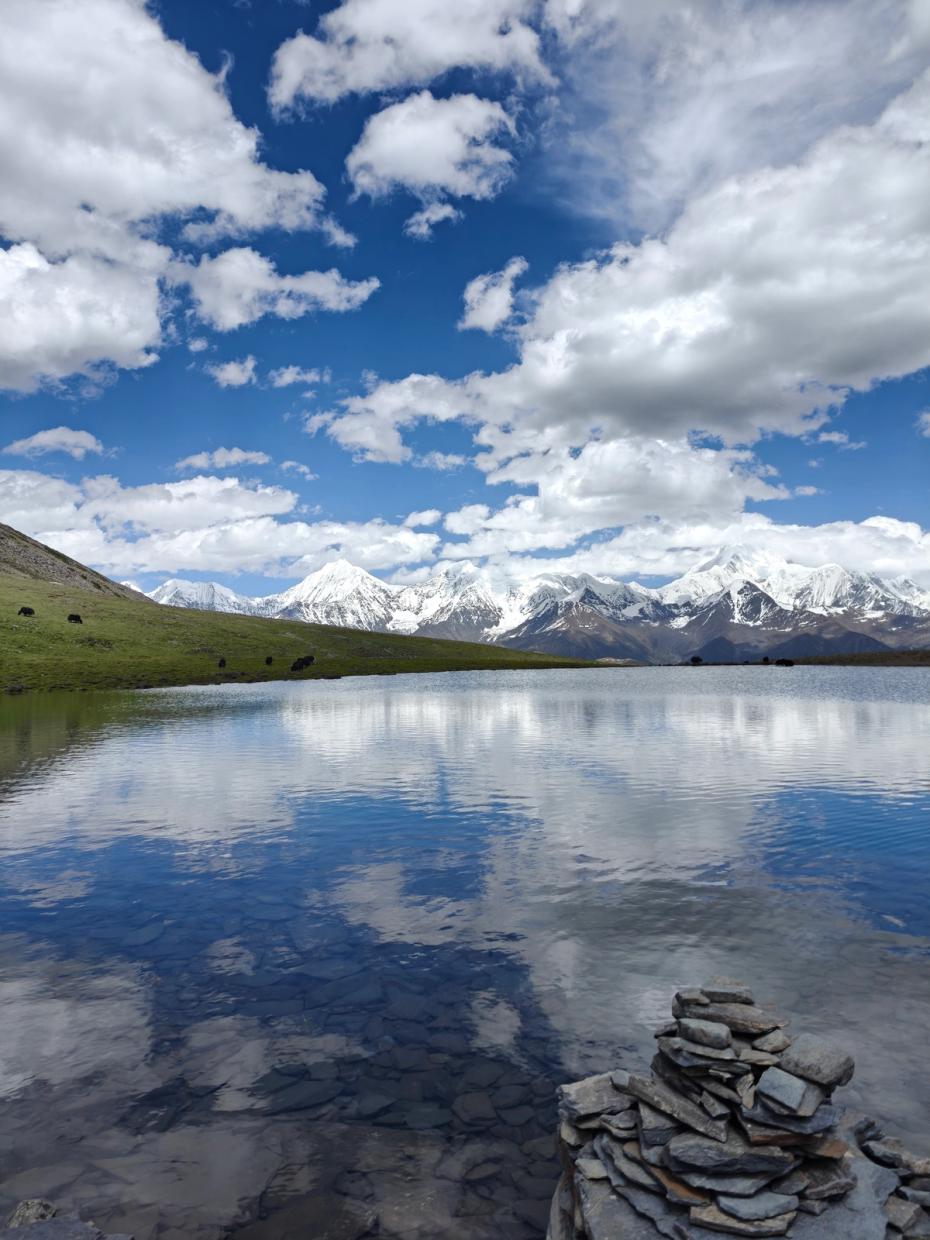
This place isn’t inside any park. It takes some effort to reach, and that’s the point.
Xinjiang
The scenery in northern and southern Xinjiang is huge and wild. I'd rank it second, right after Tibet. It has one big advantage: most of it isn't high altitude. That makes it a good choice for families, older travelers and kids. Tourism is more developed too, so it's a trip that doesn't wear you out. That's why a lot of people pick it.
Timing matters more here than almost anywhere. Get the season wrong and the landscape looks completely different. Summer is the main season. Autumn color lasts only about a dozen days and the dates change every year. Winter brings snow scenes. When I was there, locals told me early May is the sweet spot: the flowers are out, the grass is green, and the crowds haven't arrived. Many people come in June, when the flowers are already past their best.
- Northern Xinjiang: grasslands in summer, Kanas in autumn, snowy Hemu village in winter.
- Southern Xinjiang: Kashgar for culture, and the desert poplar forests in late October.
Xinjiang is enormous and far from everywhere else. With less than 8 days, I wouldn't go.
Best time: May–Oct (depends on the area) · Days: 8–12 · Type: On the road
Yunnan
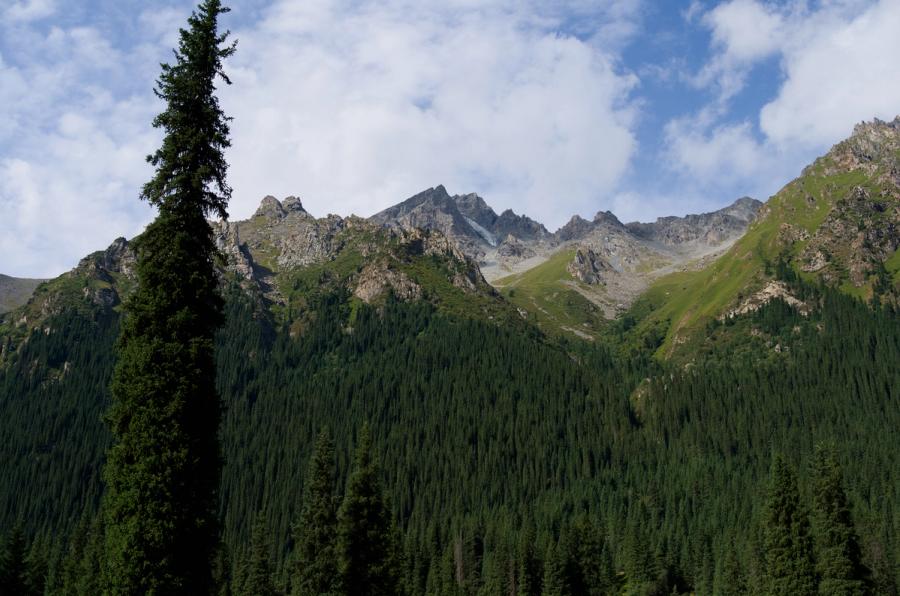
Yunnan is another world again, with its own landscape and a lot of big snow mountains. Tourism is well developed, so you can join a tour or go with a driver. You get culture and scenery together. The classic loop is Kunming, Dali, Lijiang and Shangri-La. Spend two nights by Erhai Lake in Dali if you can.
I remember stopping at a temple by the side of the road. It was so finely made, and it looked nothing like the temples I'd seen anywhere else in China.
Best time: All year · Days: 6–8 · Type: Both
The Qinghai–Gansu Loop
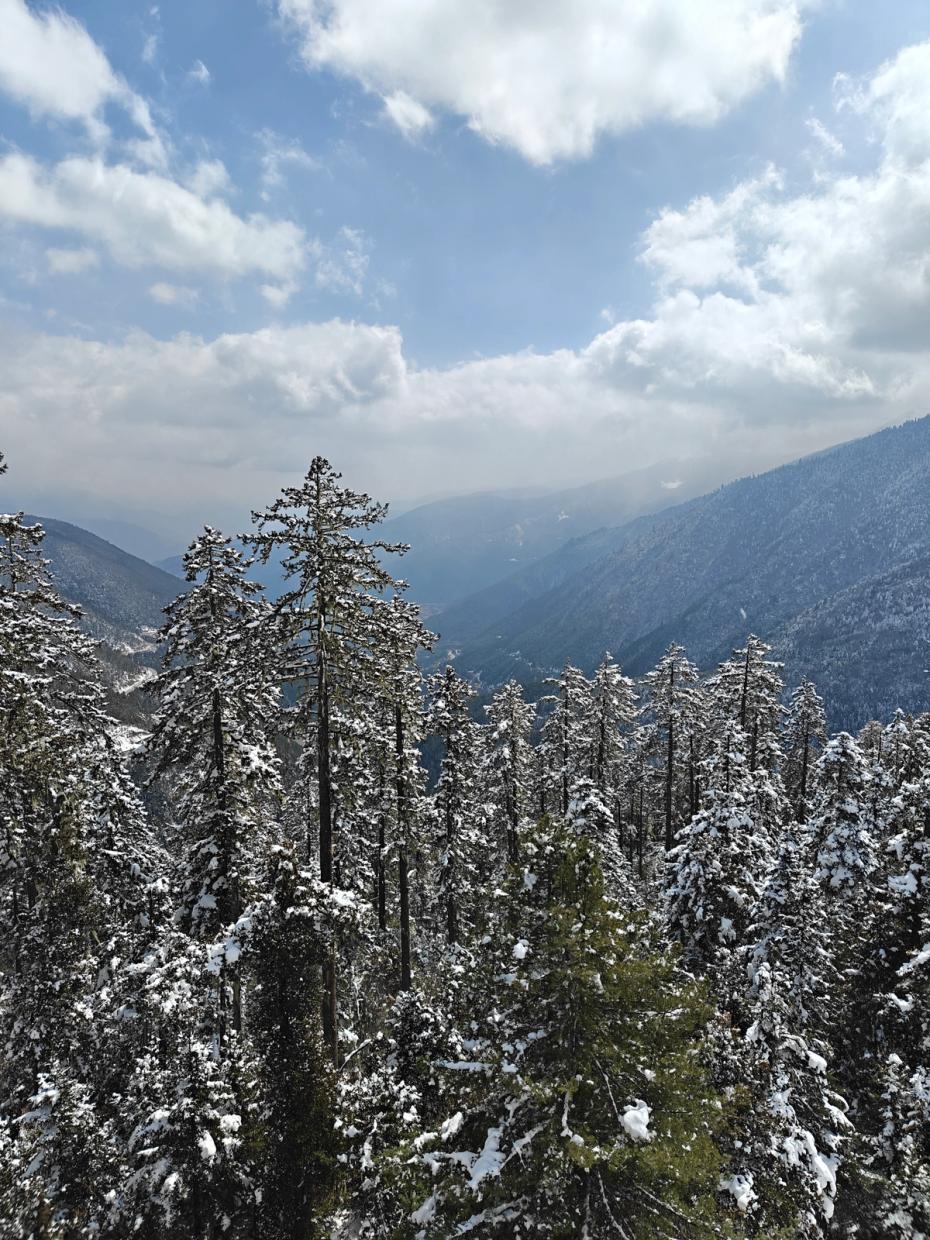
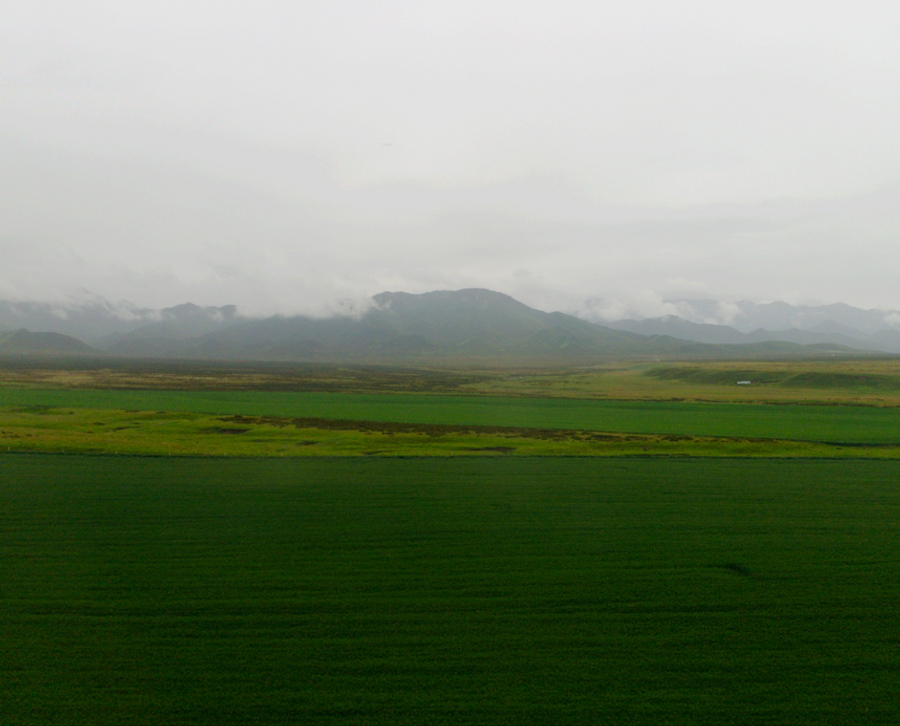
This loop takes you past huge lakes, salt flats, desert and colorful mountains in one trip. It also follows the old Silk Road. In Dunhuang, visit the Mogao Caves, and if you can, the Yulin Caves too. These are real murals and statues going back to the Tang dynasty and earlier. They're absolutely worth it. You get great scenery and Buddhist culture on the same trip.
Most people do it by hired car or small group tour. It's a demanding trip, best for second-time visitors and photographers.
Best time: Jun–Sep · Days: 6–8 · Type: On the road
Daocheng Yading
In the far southwest of Sichuan, Daocheng Yading has three sacred snow mountains and bright blue alpine lakes. It sits right between the two styles in this guide. The park itself is a scenic area, with shuttle buses and long walks. But the drive there is western Sichuan road at its best.
The altitude is high, well above 4,000 meters in places, so take it slowly. You can fly in from Chengdu, but driving in gives your body time to adjust.
Best time: late Sep–Oct · Days: 3–5 · Type: Both
Zhangjiajie
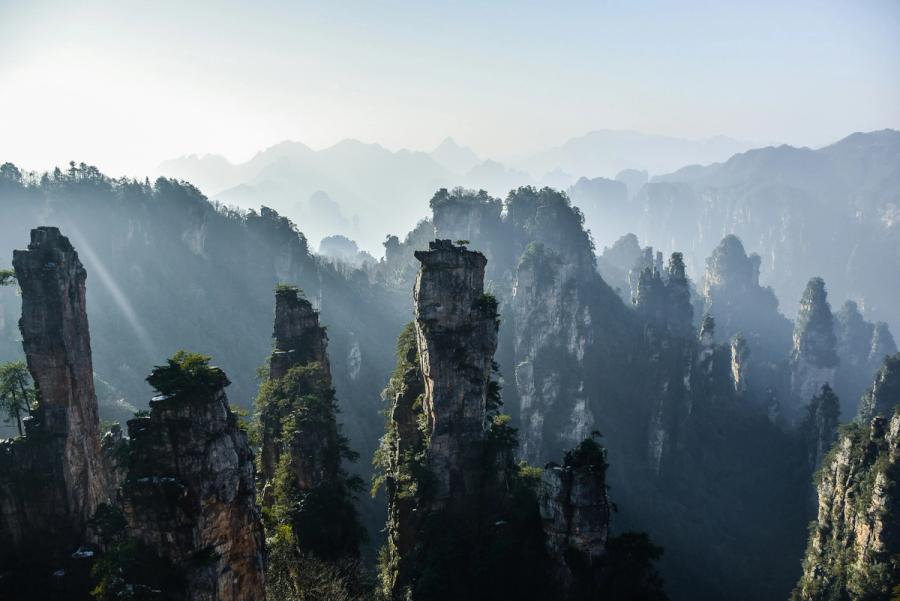
The sandstone pillars of Zhangjiajie inspired the floating mountains in Avatar, and they look unreal in person. Tianmen Mountain adds a very long cable car ride and a giant natural arch through the rock. This is the classic scenic area: amazing views, and also crowds, lines, and separate tickets for things like the cable car and the cliff elevator. Avoid Chinese holidays and start early.
Best time: Apr–Oct, not on holidays · Days: 2–3 · Type: Scenic area
Guilin and Yangshuo
If you're short on time, this is the best answer. Three days is enough for great photos. Take a boat down the Li River between the karst peaks, cycle the countryside around Yangshuo, and add the Longji Rice Terraces if you have an extra day. Want more? Head on to Guizhou. It's about 2.5 hours by high-speed train and has half the crowds.
Best time: Mar–May, Sep–Nov · Days: 3–5 · Type: Scenic area
Huangshan
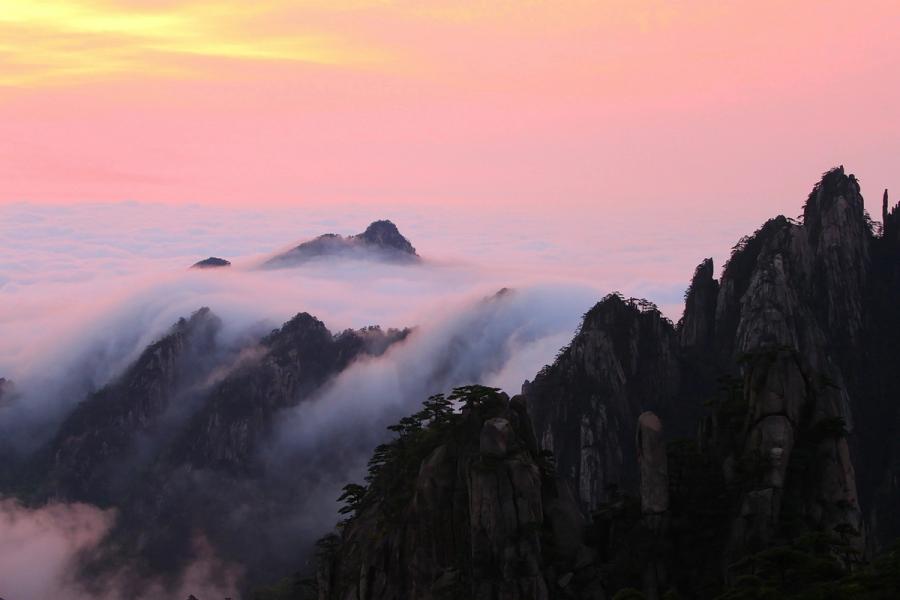
Huangshan, or Yellow Mountain, is granite peaks, twisted pines and a sea of clouds. Stay one night on the mountain so you can see sunrise. It's close to Hangzhou, so it fits well with a Shanghai trip.
Best time: Apr–Nov · Days: 2 · Type: Scenic area
Jiuzhaigou
Jiuzhaigou in northern Sichuan is a valley of blue and green lakes and waterfalls. Getting there used to be a long drive, but the high-speed line from Chengdu has made it much easier. Inside the park you get around by shuttle bus.
Best time: Sep–Oct for autumn color · Days: 2–3 · Type: Scenic area
Leshan
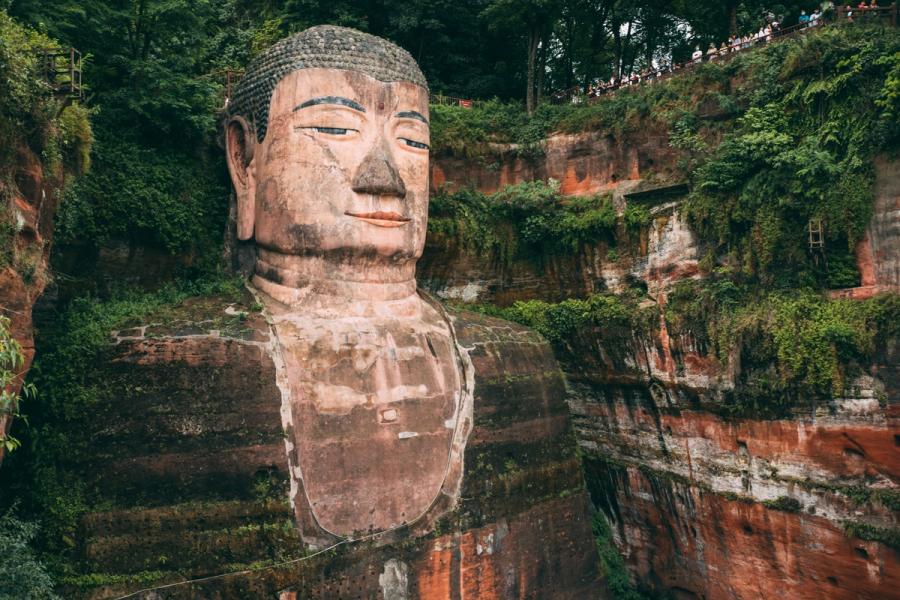
The Leshan Giant Buddha is 71 meters tall and carved straight into a cliff. It's an easy day trip from Chengdu, and you can add Mount Emei if you have more time.
Days: 1 · Type: Scenic area
Harbin (Winter Only)
From December to February, Harbin's Ice and Snow World turns the city into a giant ice park. Add Snow Town or Changbai Mountain for skiing and hot springs.
Best time: Dec–Feb · Days: 4–6 · Type: City + scenic area
| From | To | Time | How |
|---|---|---|---|
| Beijing | Xi'an | about 4.5 h | High-speed train |
| Beijing | Shanghai | about 4.5–5 h | High-speed train |
| Beijing | Datong (Shanxi) | about 2 h | High-speed train |
| Xi'an | Luoyang | about 1.5 h | High-speed train |
| Shanghai | Suzhou | about 30 min | High-speed train |
| Shanghai | Hangzhou | about 1 h | High-speed train |
| Hangzhou | Huangshan | about 1.5 h | High-speed train |
| Chengdu | Chongqing | 1–1.5 h | High-speed train |
| Chengdu | Leshan | about 1 h | High-speed train |
| Guilin | Yangshuo | about 1 h | Car or bus |
| Guilin | Guiyang (Guizhou) | about 2.5 h | High-speed train |
| Guangzhou | Shunde | under 1 h | Metro or car |
How to Combine Destinations
Route A: Classic Culture — Beijing + Xi'an (+ Luoyang) | 5–7 days
The standard answer for a first trip. See the Ming and Qing in Beijing, take the train to Xi'an for the Han and Tang. Want more? Add the Longmen Grottoes in Luoyang. Everything a history lover needs in one trip.
Route B: Jiangnan — Shanghai + Suzhou + Hangzhou (+ Wuzhen, Nanjing or Huangshan) | 5–7 days
The most comfortable route in China. Fly in and out of Shanghai. Suzhou's gardens and Hangzhou's West Lake are each about an hour away. Add a water town like Wuzhen, the old capital Nanjing, or Huangshan for mountains. Easy transport and very foreigner-friendly. Good for anyone who wants a safe first trip, and good with older parents and kids.
Route C: Sichuan–Chongqing — Chengdu + Chongqing (+ Leshan or Mount Emei) | 4–6 days
The happiest pair. Chengdu is the slow, easy life. Chongqing hits you with its skyline. They're only 1 to 1.5 hours apart by train. One day at the Leshan Giant Buddha rounds it out. First pick for food lovers.
Route D: Karst Scenery — Guilin + Yangshuo (+ Longji Rice Terraces) | 3–5 days
The best answer when time is tight. Three days is enough for great photos. To make it longer, continue to Guizhou, about 2.5 hours by train, with half the crowds.
Route E: Zhangjiajie (+ Fenghuang) | 3–4 days
The Avatar mountains and Tianmen Mountain, plus the old riverside town of Fenghuang if you have an extra day. A scenic-area trip: easy to plan, busy on holidays.
Route F: Shanxi Ancient Architecture — Datong + Pingyao + Taiyuan | 4–5 days
For architecture fans and Black Myth: Wukong players. From the Yungang Grottoes in Datong to the walls of Pingyao. Few foreign visitors, but very high value. Easy to start from Beijing.
Route G: Yunnan — Kunming + Dali + Lijiang (+ Shangri-La) | 6–8 days
A slow loop. Two nights by Erhai Lake is the heart of it. Drives between stops are long, so don't pack the days too tight.
Route H: Sichuan Deep Dive — Chengdu + Jiuzhaigou or Daocheng Yading | 5–8 days
City plus wilderness. Land in Chengdu and eat for two days, then head into the mountains for some of China's best snow peaks and alpine lakes.
Route I: The Northwest Loop — Xining + Qinghai Lake + Dunhuang + Zhangye | 6–8 days
By hired car or small group. Lakes, salt flats, desert and Silk Road caves all in one go. Best only from June to September. Tough, and best for second-timers and photographers.
Route J: Xinjiang — North or South | 8–12 days
The top of the scale for scenery, but don't try it with less than 8 days. Northern grasslands in summer, Kanas in autumn, Kashgar for culture.
Route K: Northeast Ice and Snow — Harbin + Changbai Mountain or Snow Town | 4–6 days
December to February only. The Ice and Snow World is the center, with skiing or hot springs on the side.
Where You Land Matters
Where your flight lands can shape the whole trip.
- Chengdu or Chongqing: You have a few directions. Go west through western Sichuan, all the way to Tibet. From Chongqing you can also head to Guizhou, where the scenery is spectacular. The two cities are also worth a trip on their own: 3 to 5 days covers both. With 7 days, take the train to places nearby. There's a lot of beautiful country around Sichuan.
- Beijing, Shanghai, Guangzhou or Shenzhen: These are mostly city trips, with very little nature, especially the stunning kind. As a first stop they work well. Spend a few days in the city, then fly on.
- Xinjiang and Tibet: Both are huge and far from everywhere else. I recommend them only as trips of their own, and even a simple visit takes at least a week. If you have the time, explore other parts of China first, then fly there at the end.
When to Go
For most of China, spring and autumn are best. Wherever you go, avoid the National Day holiday (October 1–7) and Chinese New Year, when the whole country is on the move.
| Region | Best time | Avoid |
|---|---|---|
| Beijing, Xi'an, Shanxi, Jiangnan | Apr–May, Sep–Oct | National Day, midsummer |
| Chengdu, Chongqing, Guilin, Guizhou | Mar–May, Sep–Nov | Jul–Aug heat |
| Zhangjiajie, Huangshan | Apr–Oct | Holidays |
| Yunnan | All year | Chinese New Year |
| Western Sichuan, Tibet, Daocheng Yading | May–Jun, Sep–Oct | Winter; Tibet often closed to foreigners in Feb–Mar |
| Xinjiang (north) | Early May for flowers, Sep–Oct for Kanas, winter for snow | Late autumn to early spring, unless you want snow |
| Xinjiang (south) | Late Oct–early Nov | Midsummer heat |
| Qinghai–Gansu loop | Jun–Sep | Oct–Apr |
| Harbin and the northeast | Dec–Feb | — |
| Hainan | Oct–Apr | Chinese New Year, typhoon season |
Final Thoughts
There's no single right answer for a first trip to China. Start with what you love: history, food, cities or wild scenery. Then decide how you want to travel. The scenic areas make it easy. The road gives you the places most people never see. Either way, you'll leave wanting to come back.
